

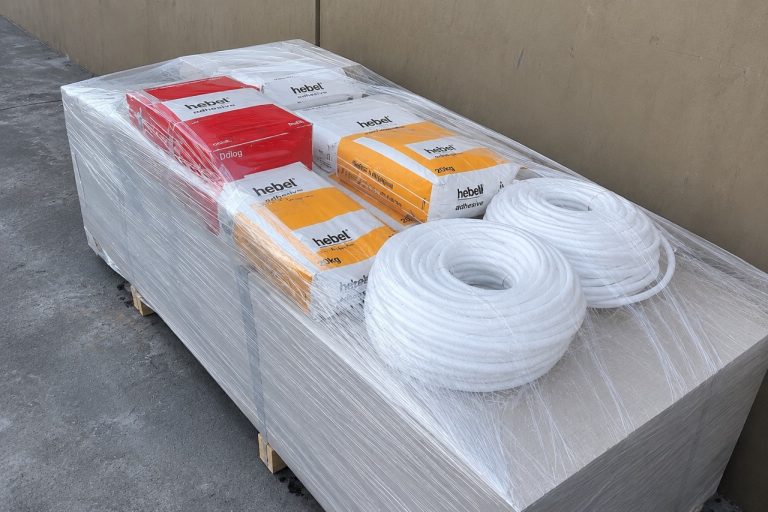
Autoclaved Aerated Concrete (AAC) panels, commonly known as Hebel panels, are becoming increasingly popular in Australian residential and commercial construction due to their lightweight structure, excellent thermal performance, and fire resistance. However, the durability of an AAC wall system depends not only on the panels themselves but also on how the joints between the panels are sealed.
One of the most important components in a high-performance joint sealing system is a Closed Cell Foam Backer Rod.
Why Closed Cell Foam Backer Rod is Essential for AAC Panel Joints
1. Controls Sealant Depth
A backer rod creates the correct joint depth before sealant is applied. This ensures the sealant performs as designed and prevents excessive sealant consumption.
2. Creates the Ideal Hourglass Sealant Shape
Professional joint design requires the sealant to bond only to the two sides of the joint—not to the bottom. A closed cell backer rod prevents three-sided adhesion, allowing the sealant to stretch and compress with building movement without tearing.
3. Accommodates Building Movement
AAC panels naturally expand and contract due to temperature changes, moisture, and structural movement. A closed cell backer rod allows the sealant to move freely, reducing the risk of cracking or joint failure.
4. Improves Weather Resistance
Closed cell polyethylene foam does not absorb water. Unlike open cell materials, it acts as an effective moisture barrier, helping protect the joint from water penetration and increasing the lifespan of the seal.
5. Saves Sealant and Reduces Costs
By filling the lower portion of the joint, less sealant is required. This not only reduces material costs but also speeds up installation.
6. Provides Better Long-Term Performance
High-quality closed cell foam maintains its shape, resists moisture, chemicals, and mould, and provides long-lasting support for the sealant system.
Why Closed Cell Backer Rod is Better than Open Cell Foam
| Closed Cell Foam Backer Rod | Open Cell Foam |
|---|---|
| Water resistant | Absorbs moisture |
| Prevents three-sided adhesion | Less effective |
| Excellent compression recovery | Lower resilience |
| Longer service life | Shorter lifespan |
| Ideal for exterior AAC joints | Better suited to interior applications |
For external Hebel or AAC panel joints, closed cell polyethylene backer rod is the recommended solution.
How to Install Closed Cell Foam Backer Rod
Step 1 – Clean the Joint
Remove dust, loose particles, old sealant, and moisture from the joint to ensure proper adhesion.
Step 2 – Choose the Correct Diameter
Select a backer rod approximately 25–30% larger than the joint width. This allows it to compress firmly and remain securely in place.
Example:
- 10 mm joint → Use 13 mm backer rod
- 15 mm joint → Use 20 mm backer rod
- 20 mm joint → Use 25 mm backer rod
Step 3 – Insert the Backer Rod
Using a blunt installation tool or roller, press the backer rod evenly into the joint without puncturing or stretching it.
Step 4 – Set the Correct Depth
Position the backer rod to achieve the sealant depth recommended by the sealant manufacturer. Typically, the sealant depth should be approximately half the joint width.
Step 5 – Apply Sealant
Apply a high-quality polyurethane, silicone, or hybrid sealant over the backer rod and tool the sealant to create a smooth finish.
Common Installation Mistakes
- Using a backer rod that is too small.
- Puncturing the closed cell foam during installation.
- Installing the backer rod too deep or too shallow.
- Applying sealant directly into the joint without a backer rod.
- Allowing sealant to bond to three sides of the joint.
Avoiding these mistakes significantly improves joint durability and weather resistance.
Why Choose CPANTA Closed Cell Foam Backer Rod?
At Plastic Mart Online, we manufacture premium quality Australian-made Closed Cell PE Foam Backer Rodssuitable for:
- AAC (Hebel) Panels
- Precast Concrete Panels
- Fibre Cement Panels
- Tilt-Up Concrete Construction
- Expansion Joints
- Window & Door Installation
- Concrete Pavements
- Masonry Joints
Our backer rods provide:
- Consistent diameter
- Excellent compression recovery
- Closed cell waterproof structure
- Easy installation
- Compatibility with polyurethane, silicone, and hybrid sealants
Whether you’re a builder, contractor, or DIY renovator, using the correct closed cell foam backer rod will improve sealant performance, reduce maintenance, and extend the life of your building joints.
Need help choosing the right size? Contact Plasticmartonline.au today for expert advice on selecting the ideal Closed Cell Foam Backer Rod for your next AAC panel project.